
1942



Niagara Falls involvement in the Atomic Bomb transformed America’s Honeymoon Capital, into a cancer factory. From trucking companies smuggling radioactive gravel and selling it as filler, to factory workers unknowingly bringing home this radioactive ‘slag’ for home improvements, no place is safe in this area of western NY.
CHAPTER
1
Genesis
The unfortunate demise of Niagara Falls is actually based on what attracts its tourists year after year: its waterfalls. Niagara Falls has been the source of abundant and cheap hydroelectric power. The city’s industrialization began as early as 1875, when the first hydroelectric mill began operating. By 1892, the city had undergone considerable industrialization, resulting in significant pollution as a direct consequence.
Since 1942, throughout the Manhattan Project and into the Cold War era, Niagara Falls was the premier city for experimentation, research, development, and production of atomic bomb materials (i.e. radioactive.) According to U.S. Department of Energy records, Niagara Falls industry during that period was the largest production center for uranium metal-from-ore in the nation. The city’s involvement in the Manhattan Project and the nuclear buildup that came after left a radioactive scar on the region. For thousands of years, this area will face the consequences of radioactive contamination. No other area in the world, not even Chornobyl’s exclusion zone, is comparable. It’s no accident that cancer rates in this area of western New York have remained disturbingly high for the past 40 years and are the highest in the U.S.
A 2022 study conducted by Roswell Park Comprehensive Cancer Center at the University at Buffalo, a renowned cancer research institution, titled “WNY Cancer Snapshot,” revealed an increased incidence of multiple cancers in the region compared to state and national averages.
This area of Western New York has witnessed its fair share of government studies, particularly those regarding radioactive contamination. Despite recent research suggesting that environmental factors, such as ionizing radiation, rather than genetic ones, are the primary causes of most cancers, these findings, which remain largely unknown, fail to address any probable connection between radioactive contamination and the disturbingly high rates of cancer and endocrine diseases.
At the beginning of 1940s, Niagara Falls thrived as a tourist destination, known as America’s honeymoon capital, and one of the most industrial cities in the US, with a population of 70,000. The economic significance of Niagara Falls was such that in 1945, the newly formed United Nations considered building its headquarters on the neighboring Navy Island. Niagara Falls was a hub of innovation. Many pioneering chemical companies got their start in this hydroelectric mecca, companies like Hooker Electrochemical Company, Union Carbide and its subsidiaries (Linde, Electromet, Vanadium) and Carborundum who was behind the invention of silica. Niagara Falls chemical industry played a crucial, yet unknown pivotal role in the development of the Atomic Bomb.
Driven by the urgency of World War II and the atomic bomb project, this region became the number one center for processing and refining a significant portion of the uranium needed for the bomb. Besides refining and processing uranium ore, many factories were equipped with their own laboratories, scientists at these laboratories investigated methods for maximizing uranium yield, such as extracting it from leftover materials. General Leslie Groves, who was overseeing the Manhattan Project at the time, was well aware of this advantage. Groves personally fostered close ties with numerous factory owners in the region, valuing their commitment to confidentiality and the protection of sensitive information. This commitment to “secrecy” exposed thousands of workers to radioactive materials, a practice the army maintained throughout the Cold War.
PROOF INVOLVEMENT: LESLIE GROVES POST WAR THANK YOU
LETTERS UNION CARBIDE & AWARDS E-Flag to HOOKER
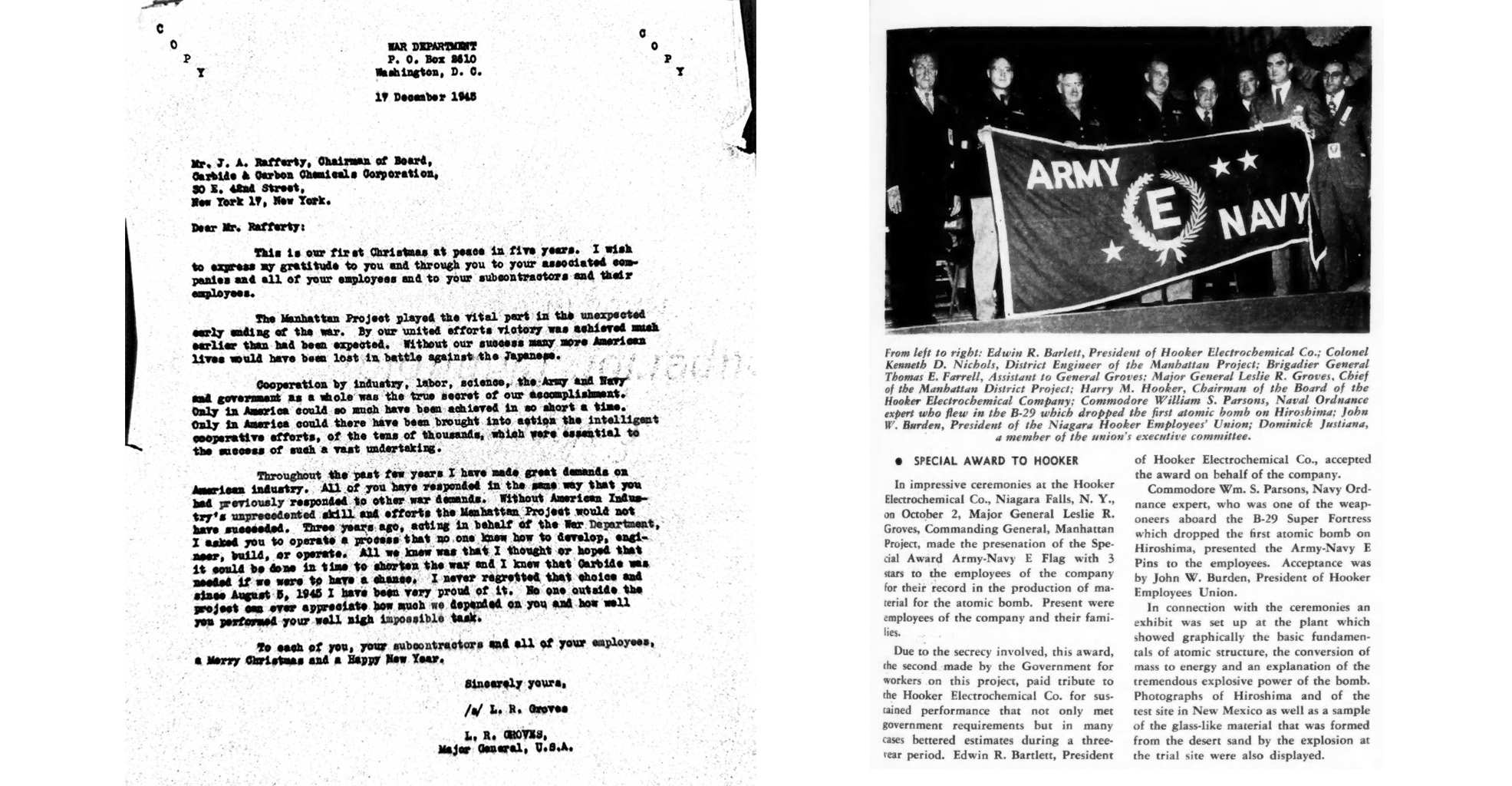
Unfortunately this dark secret contributed with the city’s tragic fate and environmental degradation.
While some American-mined ore was processed in Niagara Falls, the vast majority originated from the rich deposits of the Belgian Congo. This Congolese ore, unlike its American counterpart, boasted a staggering 7,000-fold increase in uranium concentration. As a byproduct, these factories produced thousands of tons of radioactive waste in both liquid and solid form. Some of this radioactive waste was transported by rail and trucks to the nearby army storage known as the Lake Ontario Ordnance Works (LOOW). The LOOW, nestled amidst apple orchards and farms, was initially built in 1941 as a TNT plant. It spanned 7,500 acres and was cleverly disguised as a working farm with barns and silos to evade enemy surveillance. It’s also located less than a mile away from the town of Lewiston and five miles from the Niagara River. This radioactive storage site remained shrouded in so much secrecy that it was ultimately forgotten.
Army Corp of Engineers archival footage of the conditions of the silo and facilities at LOOW prior to the construction of the IWCS.
It wasn’t until 1986, that the Army Corps of Engineers built a more “secure” interim waste containment structure (IWCS) to prevent further site contamination. As of 2024, the LOOW, now called the Niagara Falls Storage Site (NFSS), houses a staggering amount of 67,500 cubic tons of radioactive waste, making it the world’s largest above-ground storage facility. It’s important to highlight how “interim” the structure is; it consists of six inches of compacted clay at the top and lacks any protective liner at the bottom. For comparison, Chornobyl’s steel sarcophagus encloses roughly 246 tons of radioactive waste.
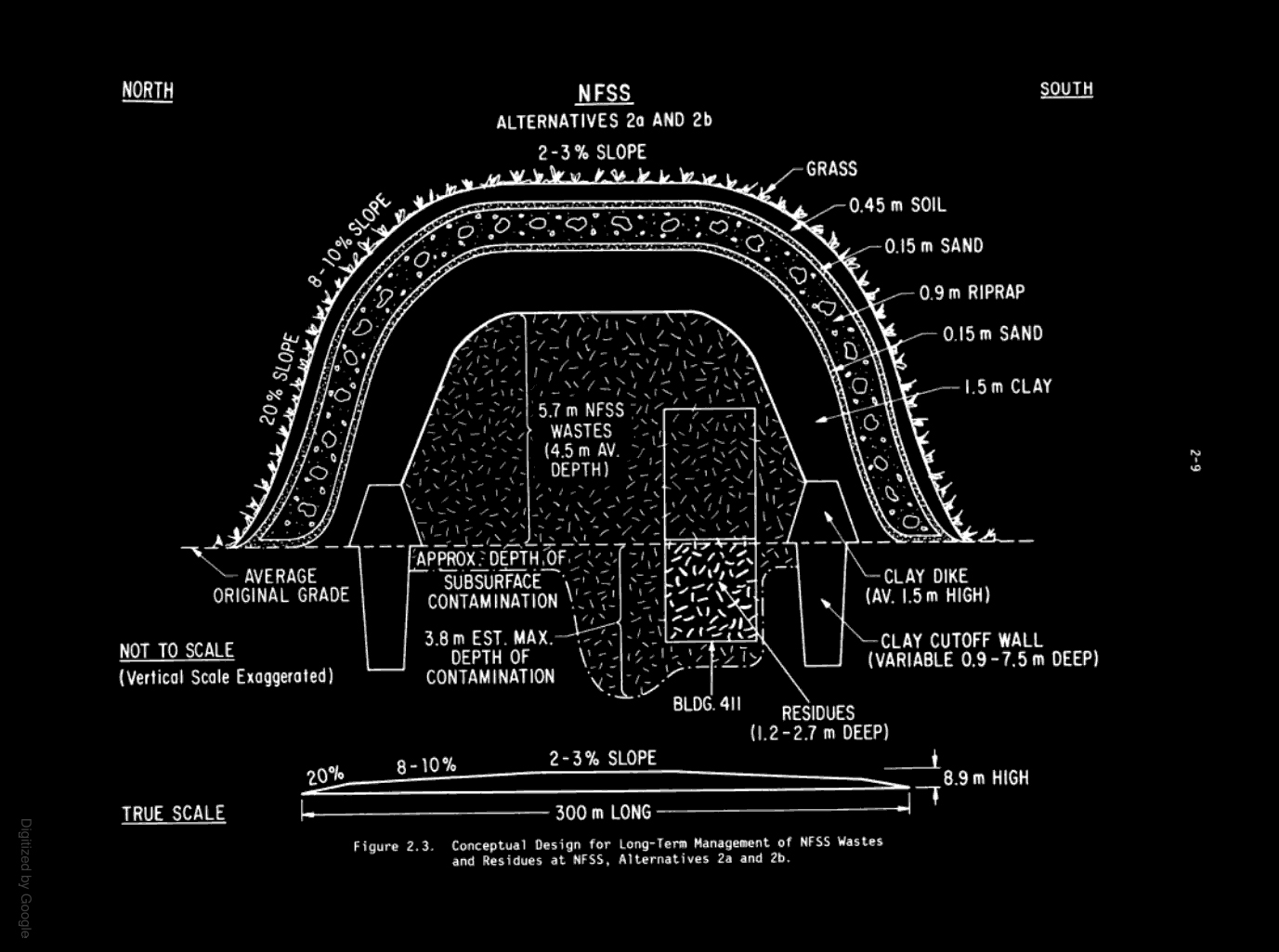
At a cost of 500 million dollars, the Army Corps of Engineers announced that the radioactive waste will be removed in May 2024. However, it’s worth noting that the Army Corps has made similar statements in previous years.
Neighboring the NFSS, exactly less than a mile away, is the Lew-Porter School which serve 200 families that live in the area.
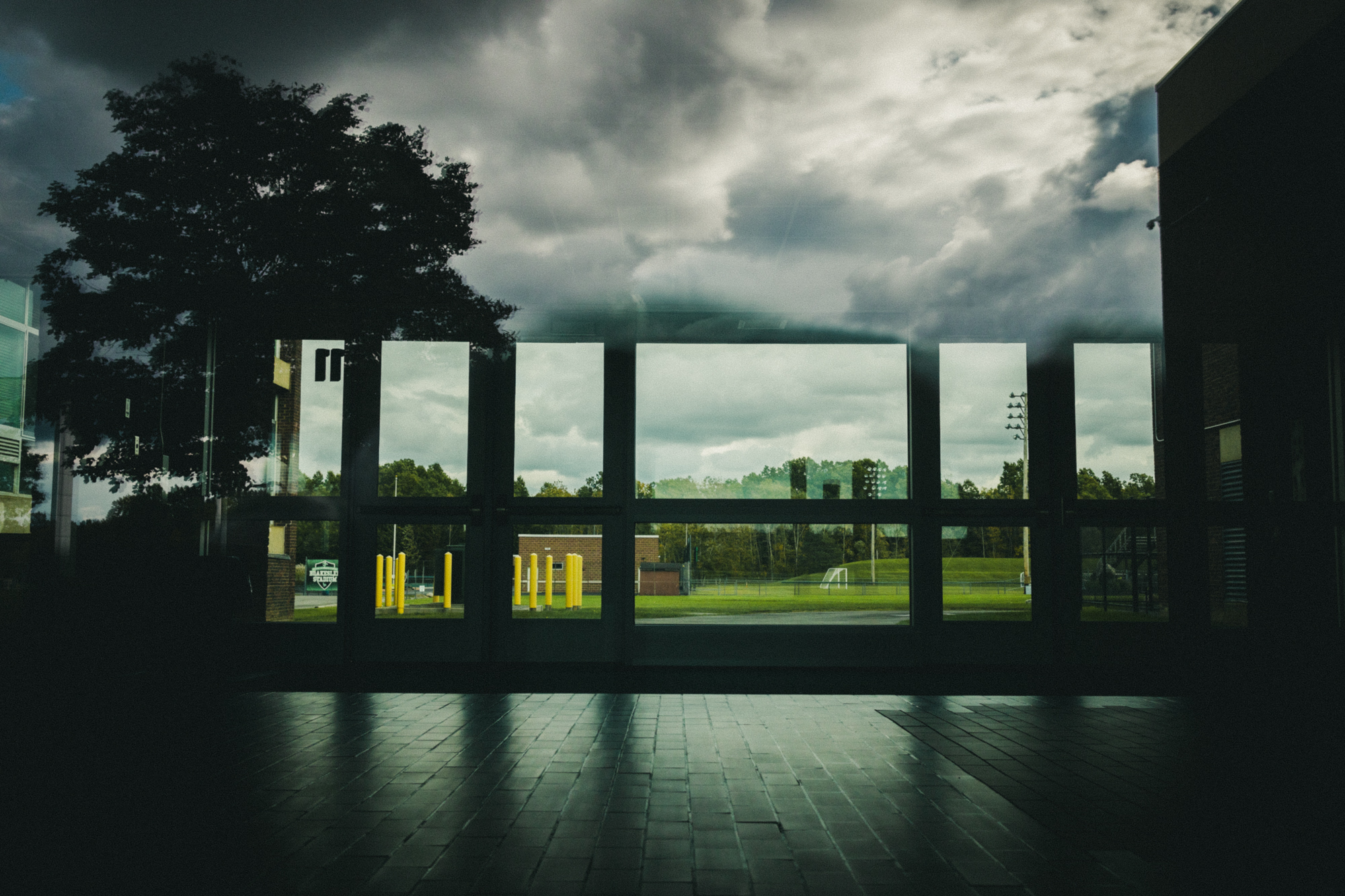
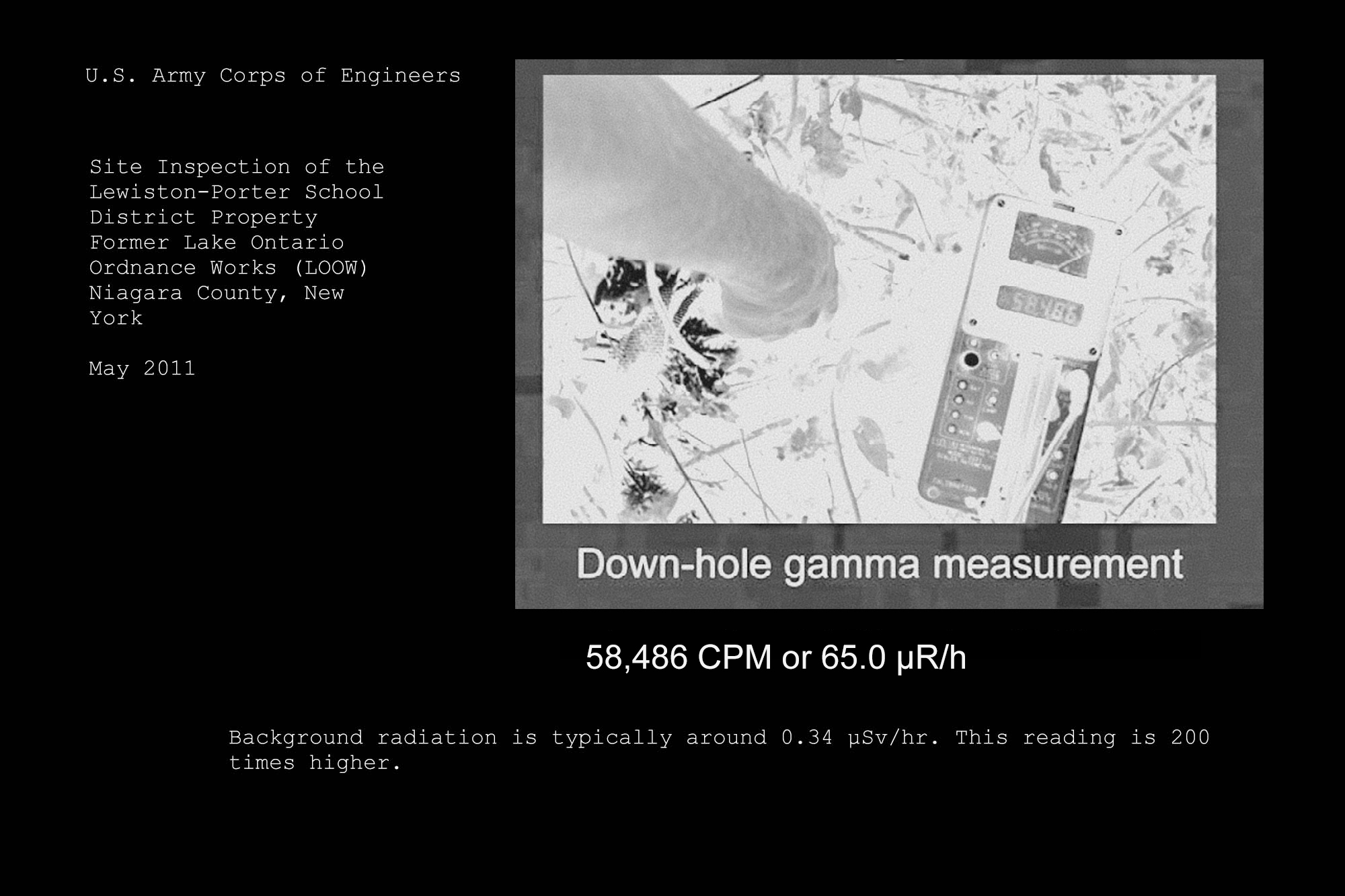
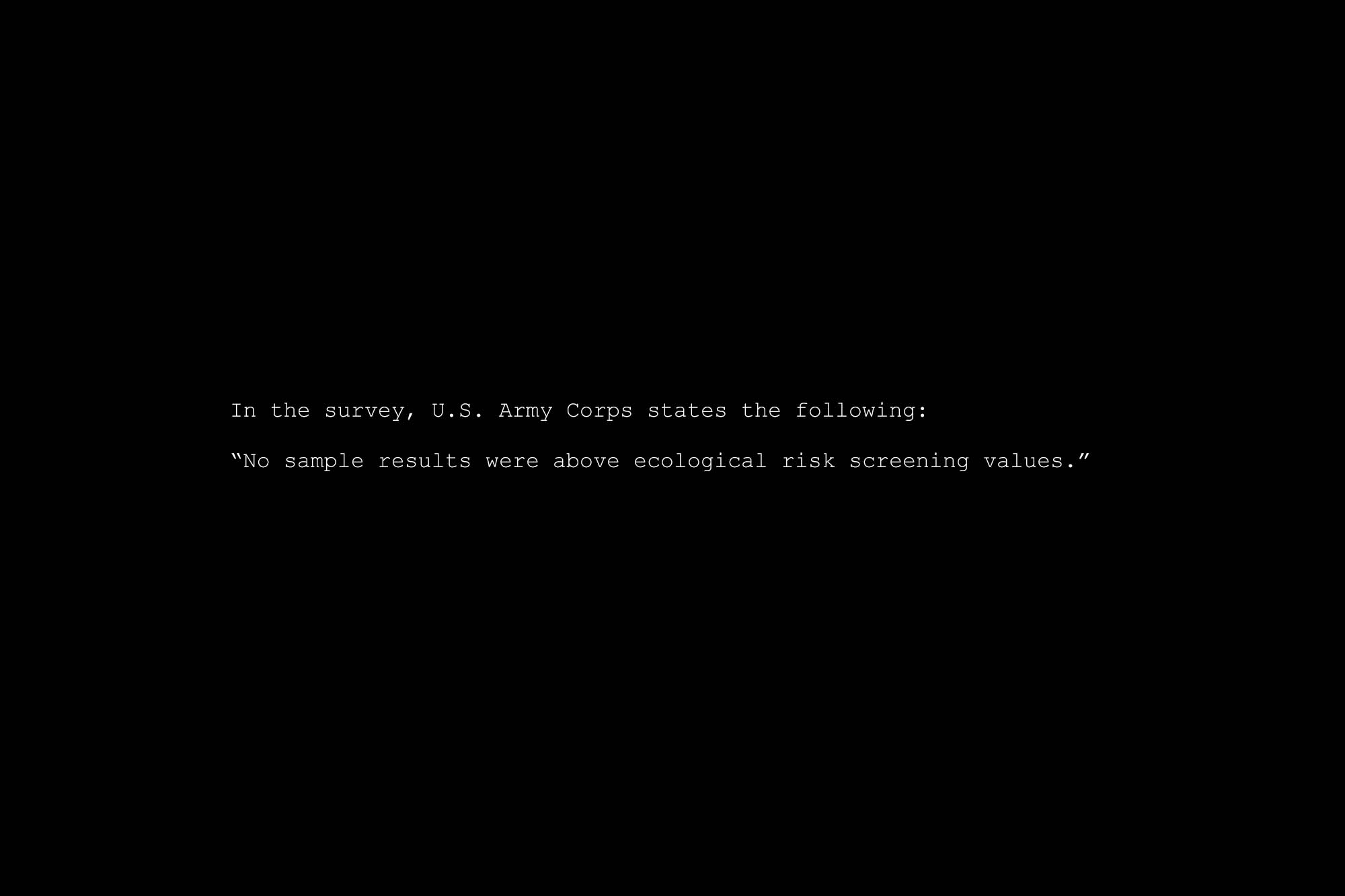
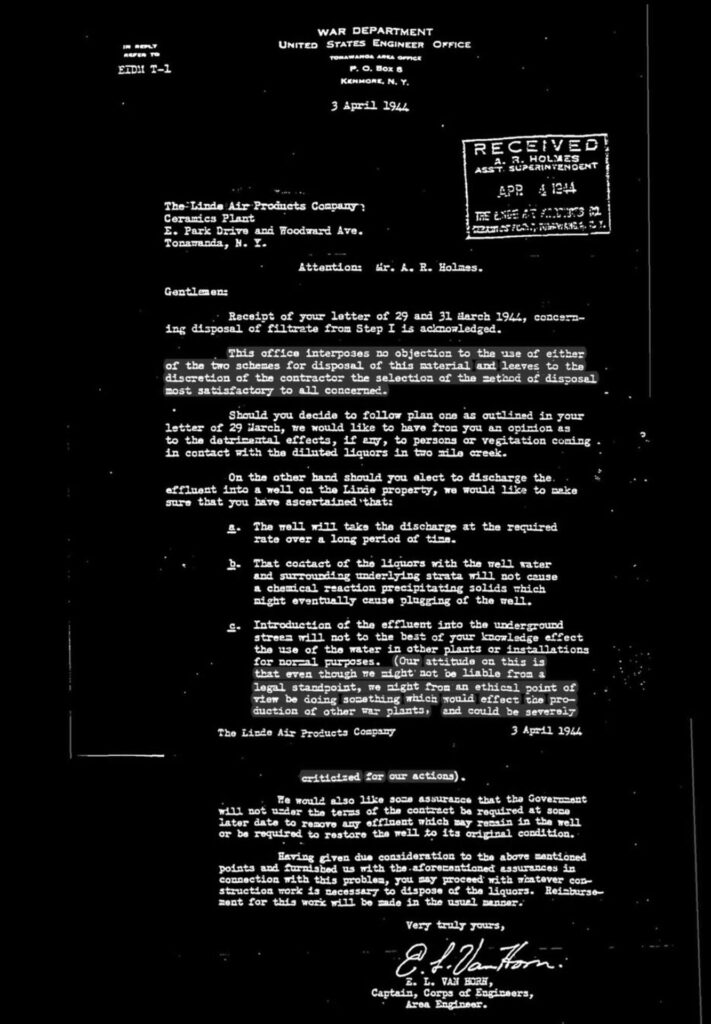
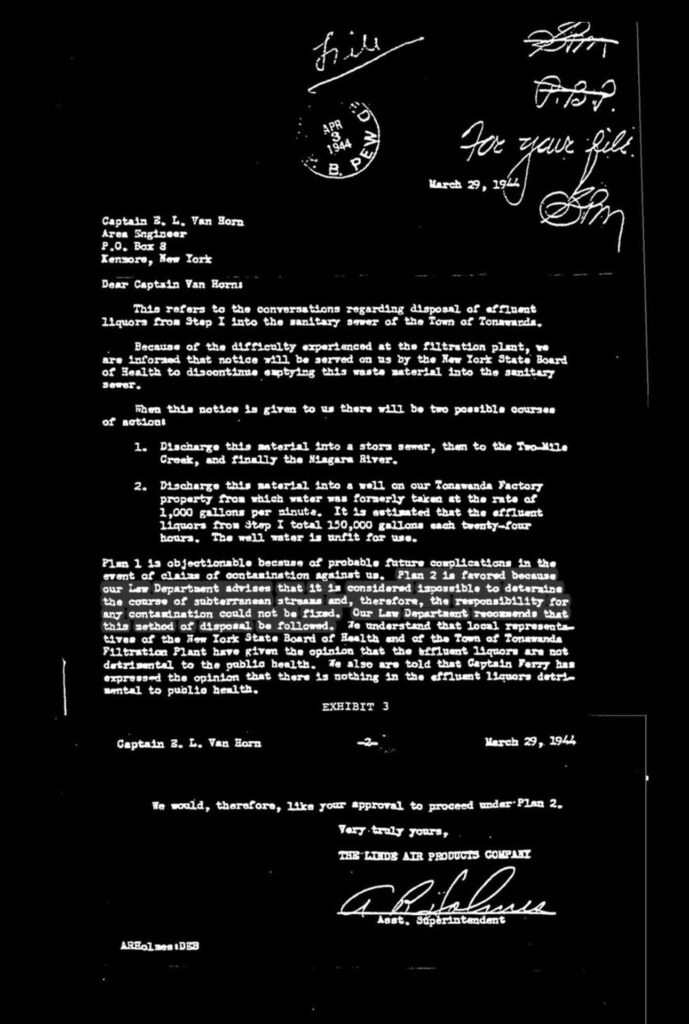
However, the most disturbing aspect of this nuclear legacy is that a significant portion of this waste failed to reach Lake Ontario Ordnance Works storage. The Army Corps of Engineers, tasked with overseeing the top-secret Manhattan Project, prioritized cheaper and more convenient disposal methods. In evidence uncovered in 1981 by the New York State Assembly Special Task Force, once landfills and wells reached capacity with liquid radioactive waste known as “sludge,” the Army Corps instructed the factories they contracted with to use waterways as dumping grounds. In total, the Special Task Force uncovered that 37 million gallons of radioactive waste had been disposed of in this way. This cost-effective and criminal approach could not be traced back to the polluting factory. Private corporations across the region embraced this method, forever altering Niagara’s natural landscape and the health of its citizens. The city, once a symbol of romance and beauty, the “honeymoon capital,” became America’s dumping ground for toxic chemicals and radioactive waste.
Exhibit A: Correspondence between Captain Emery L. Van Horn
(who at the time oversaw The Western NY Region
for the Manhattan Project) with Linde Factory manager
regarding disposal of radioactive waste.
Yet, this accounts for only half of the story.
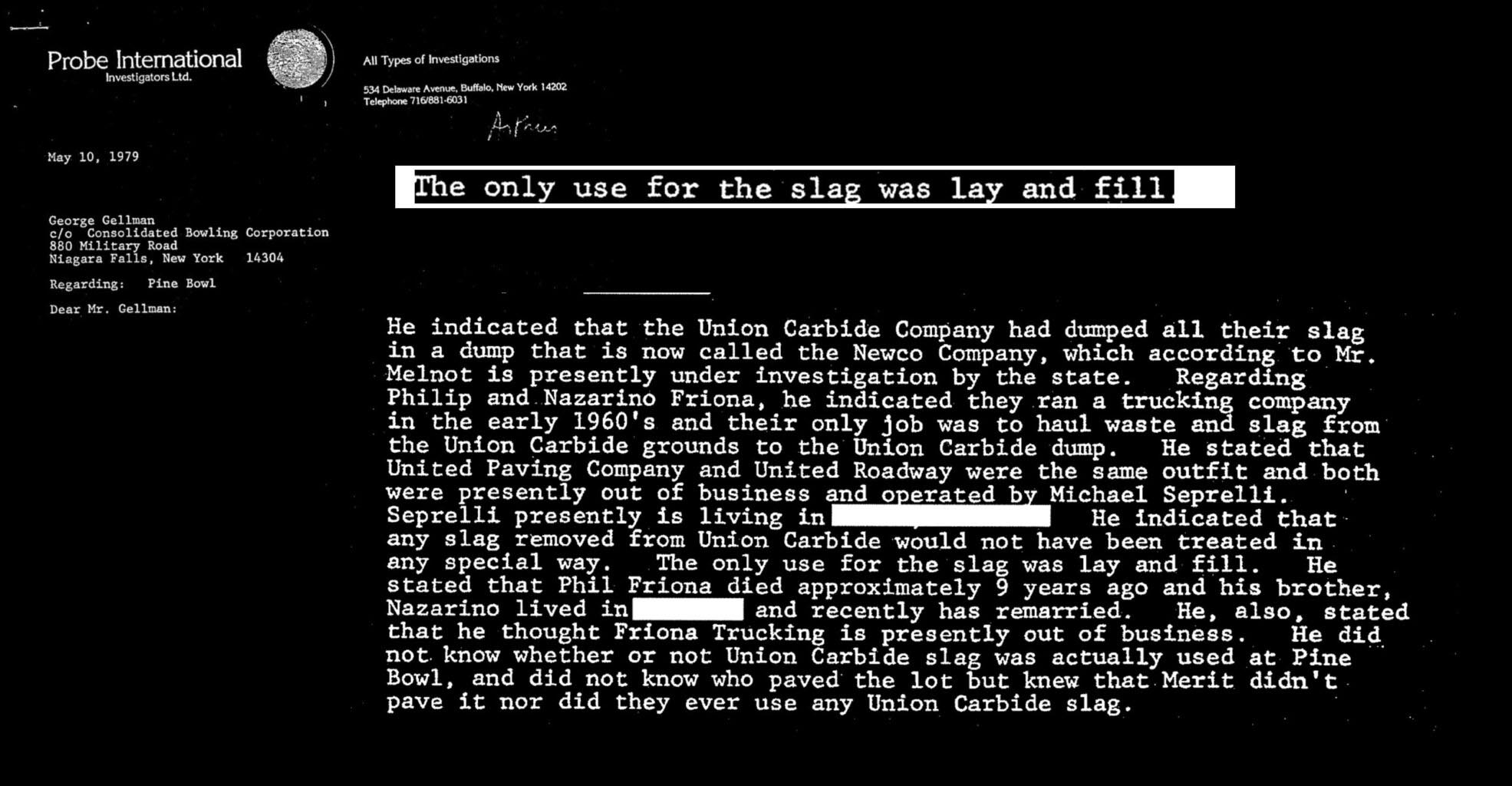
While the “sludge” was disposed of through waterways like creeks, wells, and the city’s storm drains, the solid waste, known as “slag,” piled up unsupervised and unaccounted for in factories and at the Lake Ontario Ordnance Works storage site. Unaware of the dangers, workers brought this material home and used it as filler for home improvements like paving driveways. Since it was free, readily available, and abundant in the area, construction and trucking companies began commercializing it and spreading it throughout the region, transforming a once idyllic city into a radioactive minefield and a cancer factory in the making.
Click here to learn more about the factories and the uranium-processing chain.
mined in the Belgian Congo into a substance called uranium tetrafluoride
(UF4)—a green, salt-like powder often nicknamed
“green salt.”
This chemical was a crucial step in producing uranium fuel for nuclear
reactors and atomic bombs during the Manhattan Project. Once processed into
uranium tetrafluoride, it was shipped by train to the
Electromet facility in Niagara Falls.
Electromet converted these “green salts” into solid uranium
metal through a high-temperature chemical reaction with magnesium. This
process produced a radioactive waste byproduct called
C-2 slag, which still contained recoverable uranium.
The Hooker Company received this C-2 slag and treated it
with hydrochloric acid (HCl) to extract the remaining uranium. The recovered
material was then shipped—again by train—back to the Linde plant in
Tonawanda.
Bethlehem Steel in Buffalo and
Guterl Specialty Steel Corporation in Lockport represented
the final stages of a uranium-processing chain centered in Niagara Falls.
Factories were located not only along Buffalo Avenue, but also throughout
the Highland Park area, forming a network of industrial sites involved in
the production process.
The Carborundum Company participated in several phases of
the Manhattan Engineer District’s program in 1944, helping to develop
methods for shaping and engineering uranium rods.
This early work—likely conducted at either the Buffalo Avenue or Globar
Plant locations—involved forming, coating, and sealing uranium rods for use
in nuclear reactors, a process then referred to as the
“pile process.”
During the 1950s, the Carborundum Company was involved in nuclear fuel
fabrication for the Atomic Energy Commission (AEC) and operated a facility
within Bell Aerospace’s factory.
At the same time, Bell Aerospace was developing the
RASCAL, the United States Air Force’s first nuclear-armed
standoff missile—an air-to-surface, supersonic guided missile designed to
deliver a nuclear warhead.
Bell and the Atomic Energy Commission operated a test center at the
Lake Ontario Ordnance Works (LOOW), known as the
Bell Test Center, located north of Balmer Road.
In 1967, the site was temporarily used to house the Lewiston-Porter School
while a new school building was under construction and scheduled for
completion in 1970.
During that time, 275 students, along with their teachers
and administrative staff, attended classes at the site.
Exhibit B: The Federal Connection Report, NY State Assembly
Special Task Force Investigation uncovered that at the
Lake Ontario Ordnance Works storage, it was common
practice for workers to take home this radioactive gravel,
unknowingly of its dangers, and use for home improvements.
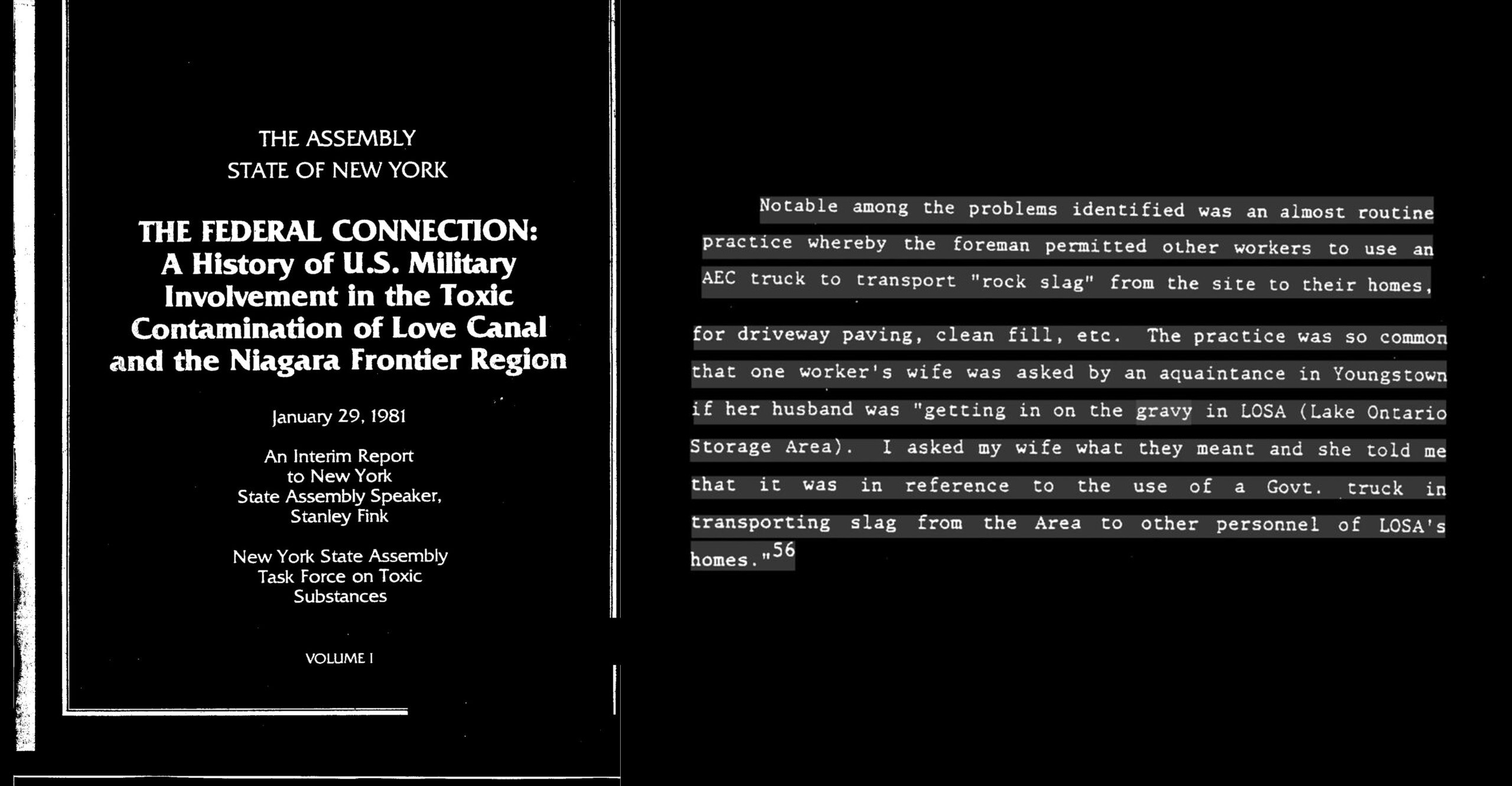
Exhibit C: Investigative Post Journalist Dan Telvock
uncovered a private investigator report on how the radioactive
gravel ended being commercialized as construction filler
and spreaded through out the area.
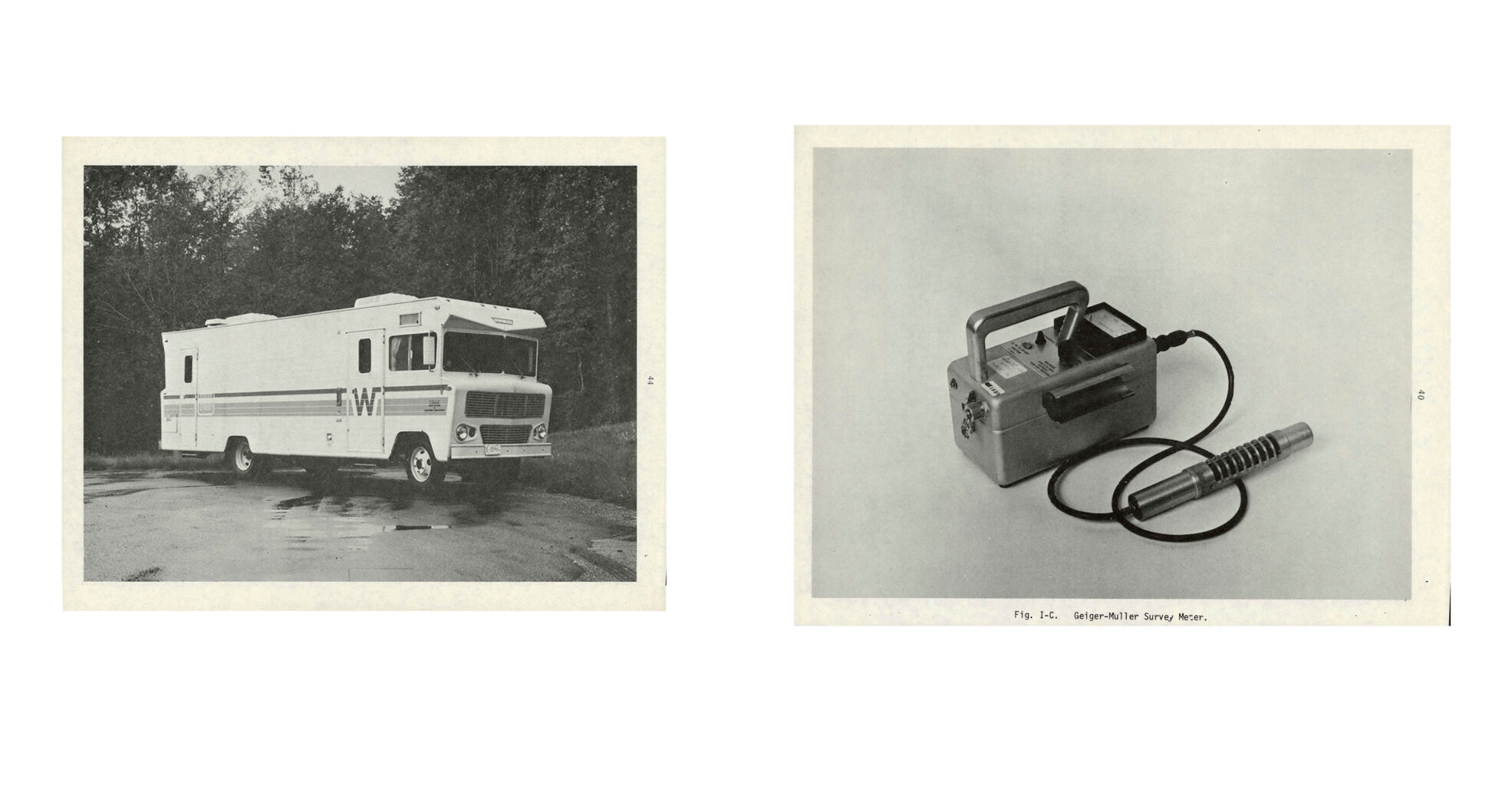
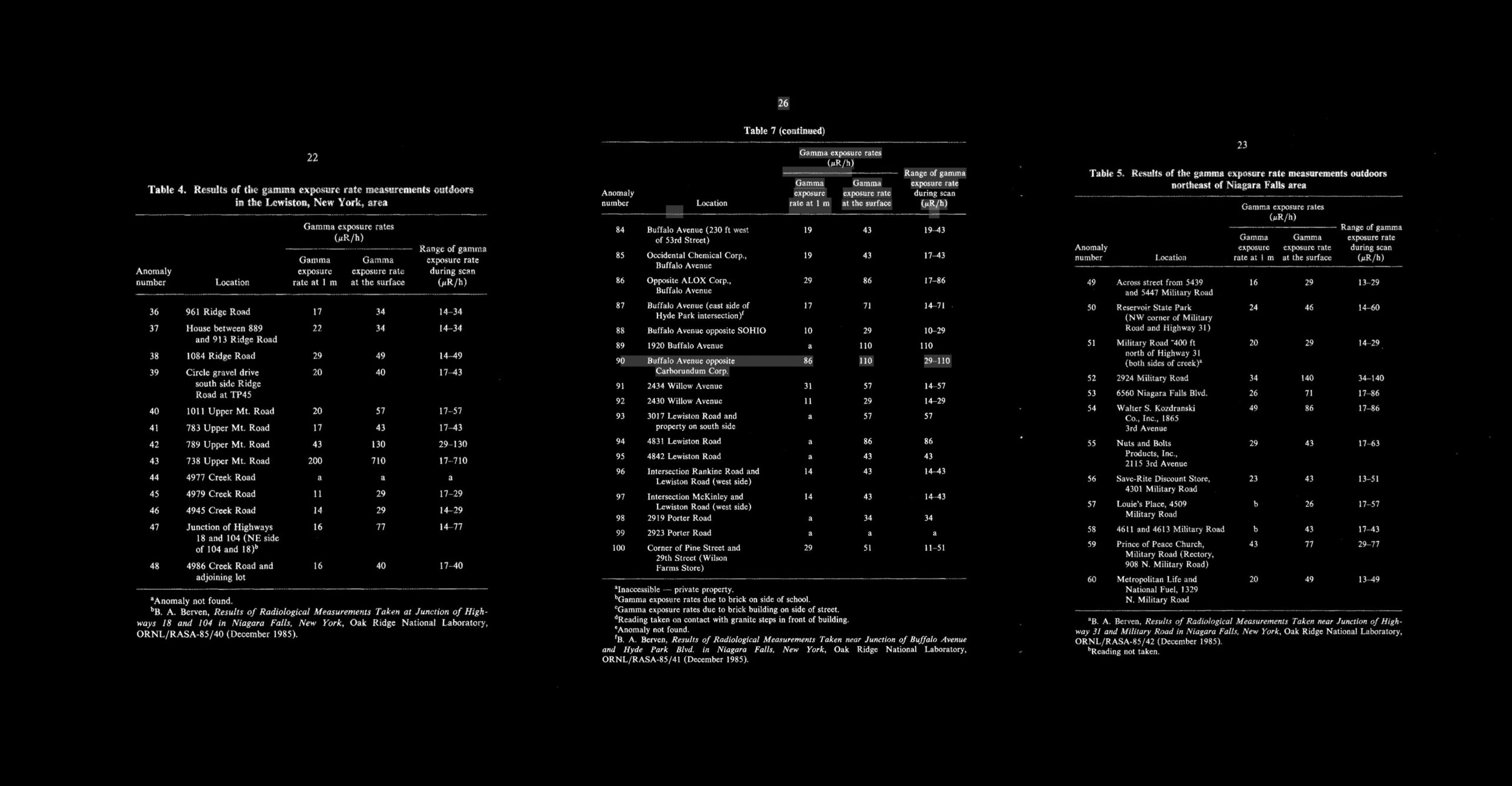
In 1979, Oak Ridge National Laboratory (ORNL) performed an aerial radiological survey of Niagara County, and numerous radioactive areas were discovered. Seven years later, in 1986, ORNL conducted a mobile radiological survey of the Niagara Falls area. ORNL stated that the survey was conducted to address concerns regarding potential radioactivity associated with transporting contaminated radioactive waste from Linde (a uranium refining plant) and other AEC facilities to LOOW storage. However, contrary to ORNL’s indication, the survey was not performed on streets, highways, or train tracks. Instead, it focused on homes, small commercial establishments, parking lots, and MED-contracted factories.
The survey identified elevated gamma radiation levels in over 150 locations, called “hotspots.” The Dept. of Energy stipulates that anything above 5 uR/h is an imminent health hazard. These hotspots ranged from 9 to 710 roentgen per hour (uR/h) – significantly higher than the typical background gamma radiation level in the US of 3-20 uR/h. Background radiation is the natural level of radiation we’re all exposed to from sources like rocks, soil, and even the sun. Unlike alpha and beta particles, which are heavier and easily stopped by materials like skin, gamma radiation, the prevalent type in Niagara Falls from this radioactive waste, can penetrate the body and damage internal organs, potentially increasing the risk of cancers and endocrine diseases. For tourists visiting Niagara Falls, a brief drive-by through these radioactive hotspots poses minimal health risks compared to the consequences of long-term exposure faced by residents. This is because the health risk from radiation exposure is considered to be cumulative, meaning repeated or prolonged exposure carries a greater risk than brief encounters.
Over time, the limitations of the 1986 radiological survey emerged as it only mapped “suspected hotspots” and not the entire Niagara County metropolitan area. This became even more evident over the years, with new hotspots frequently discovered during city repairs and construction projects. In 2015, a radiological survey along the Robert Moses Parkway revealed concerningly high readings exceeding 80 uR/h near the Niagara Falls Aquarium and Park Police. A separate, even more alarming reading of 2,750 uR/h was detected near the Whirlpool Bridge exit area. In 2021, radioactive gravel was discovered at the entrance to Niagara Falls State Park, and Just last year (2022), radioactive gravel was found again, this time at Donovan’s Kids Preschool on Main Street. These are just one of many hotspots identified since 1986 during city development projects.
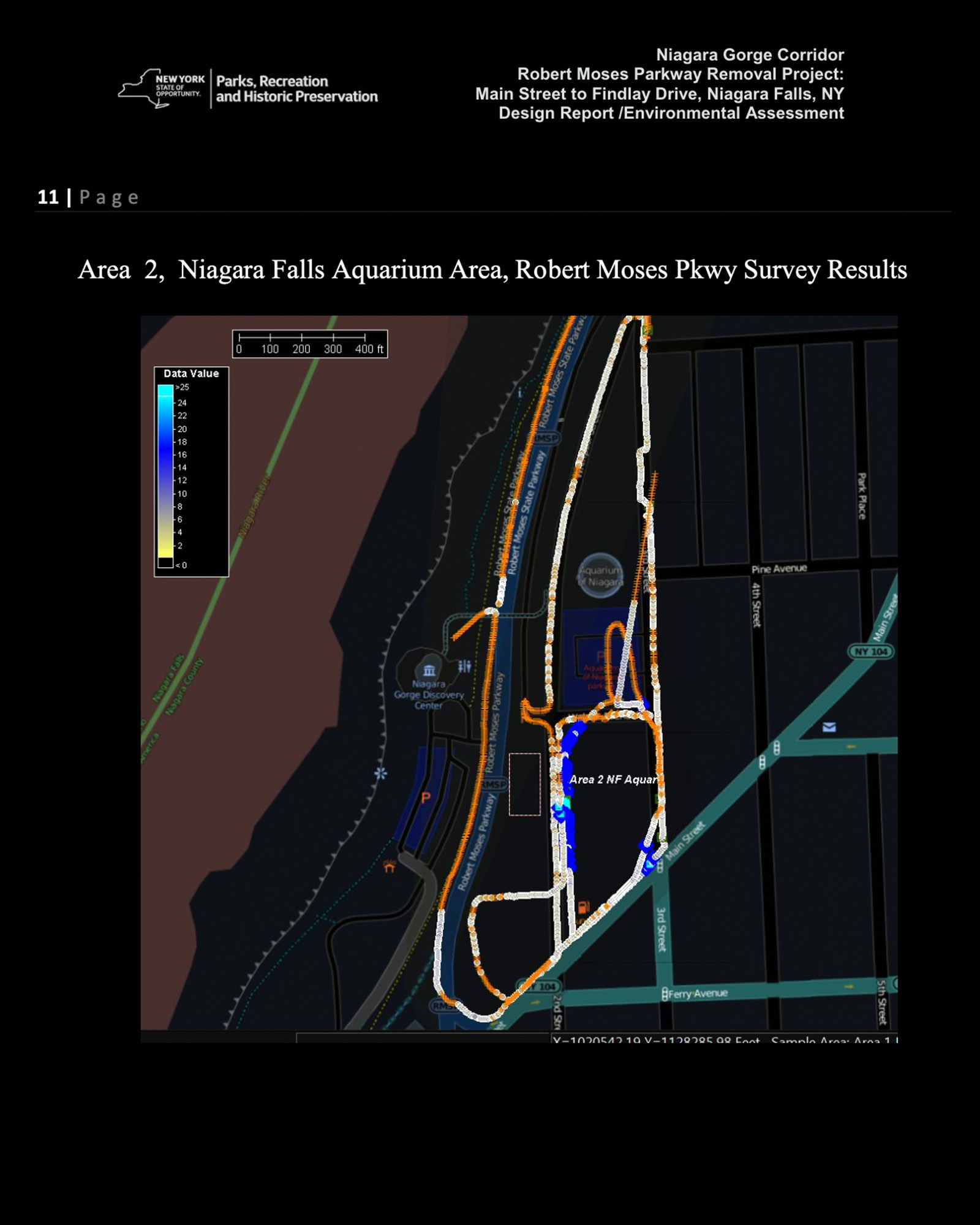
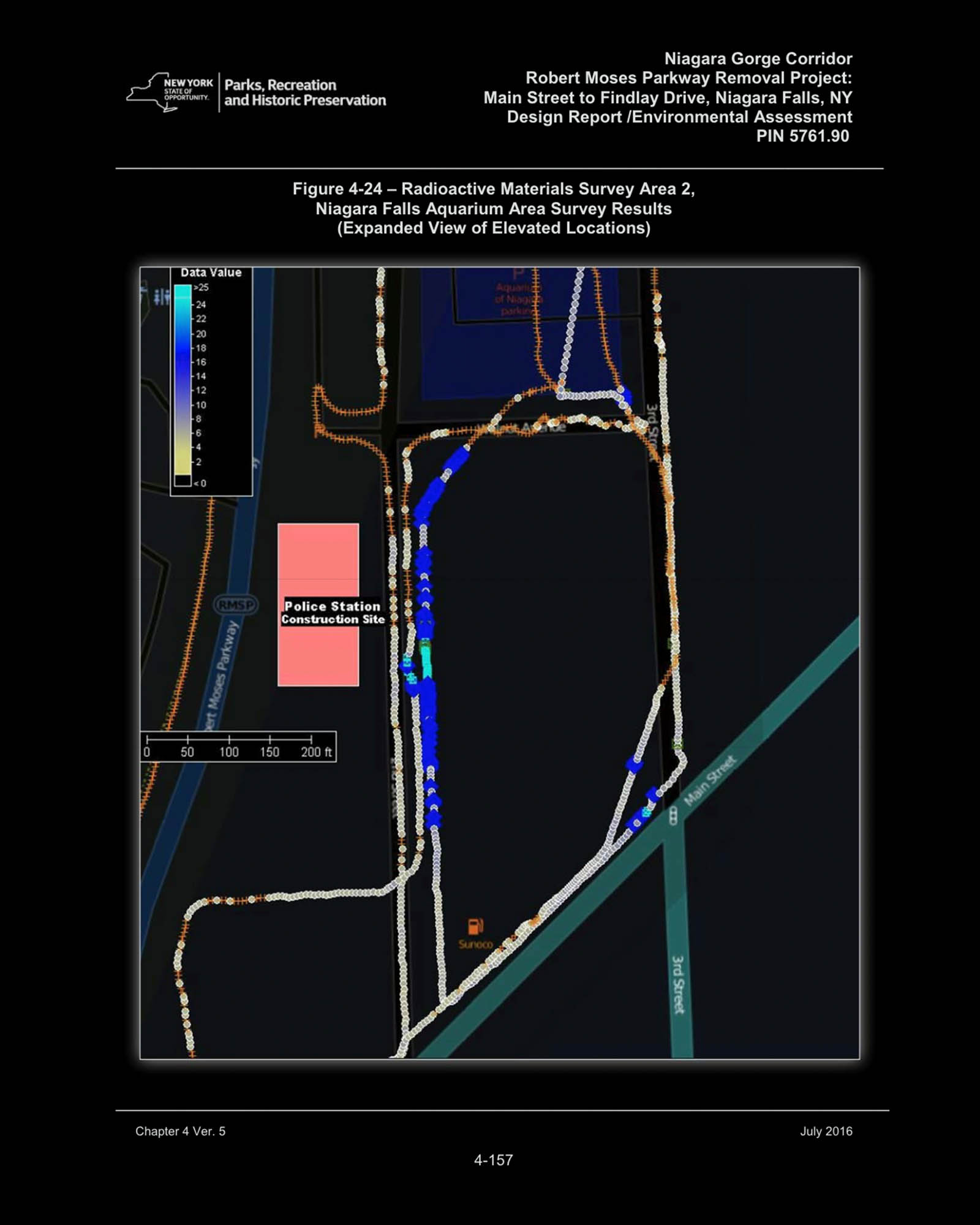
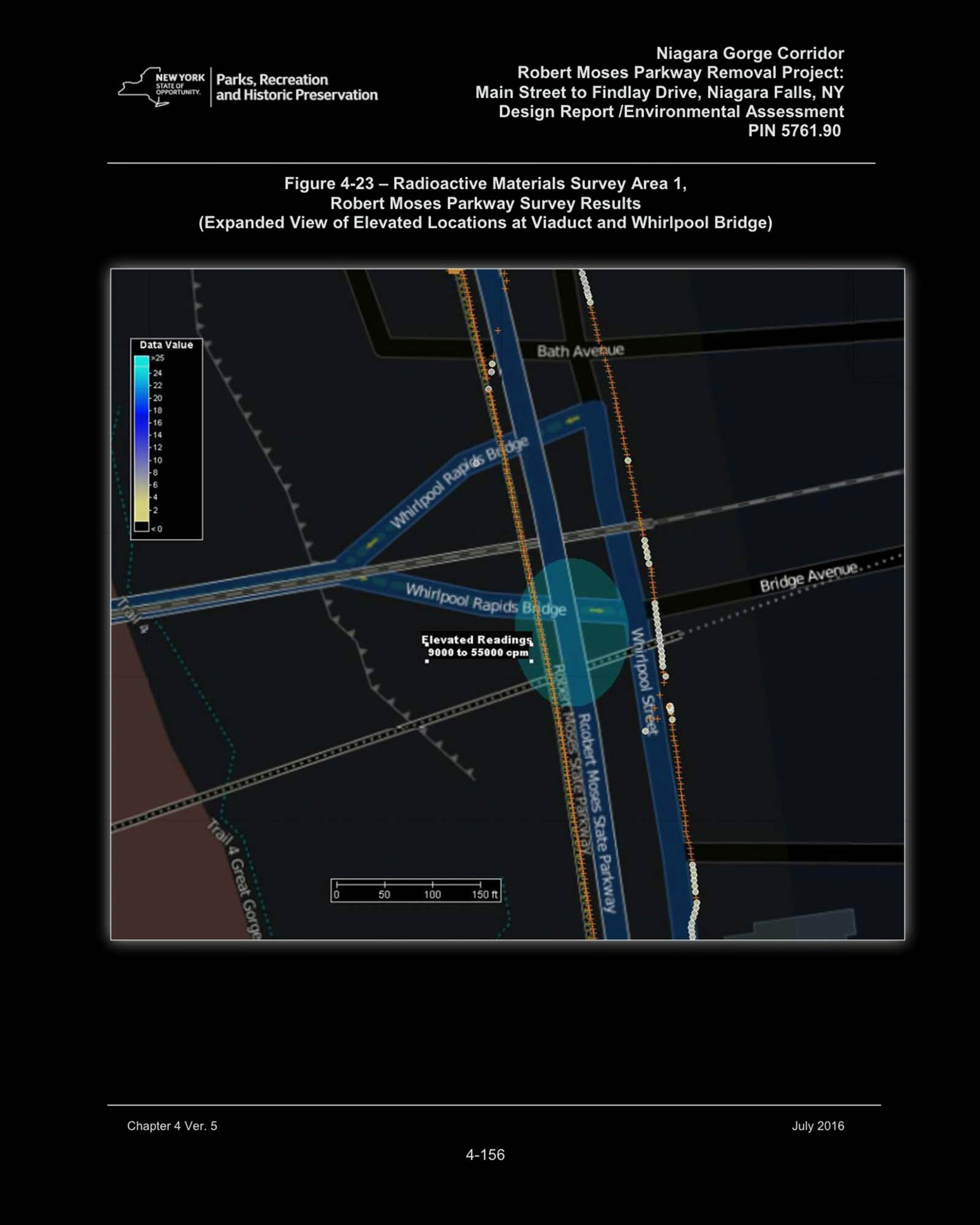
These newer hotspots and many of those initially mapped
in the 1986 survey have not been remediated.
It's worth noting that the Environmental Protection Agency (EPA)
considers long-term exposure to radiation levels exceeding 5 uR/h
to be a significant potential health concern.
No structure in Niagara Falls built after the 1940s
should be considered safe. Not even the sidewalks.
Last year, the EPA conducted a new Radiological Survey. EPA says the results are still pending.
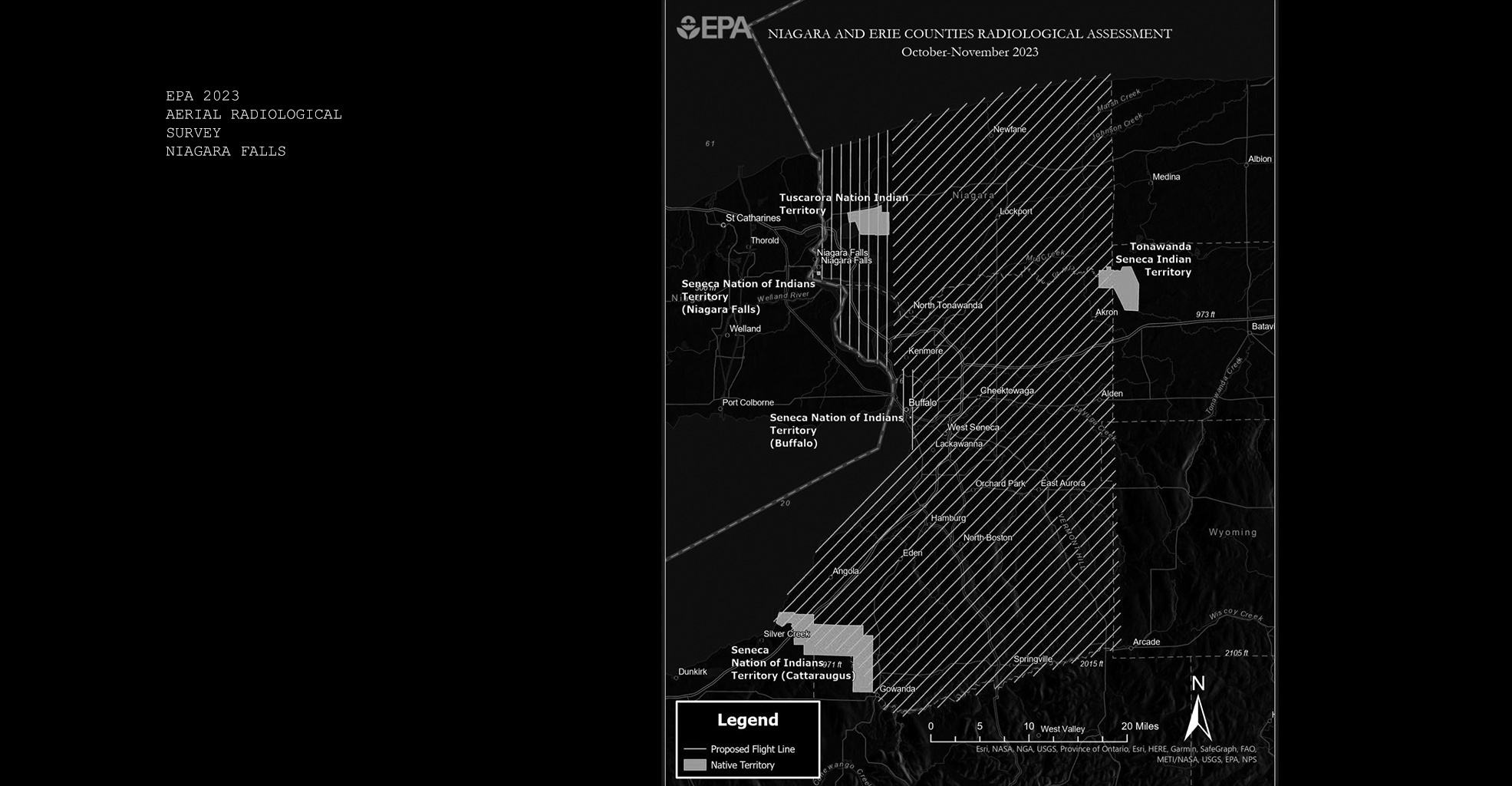
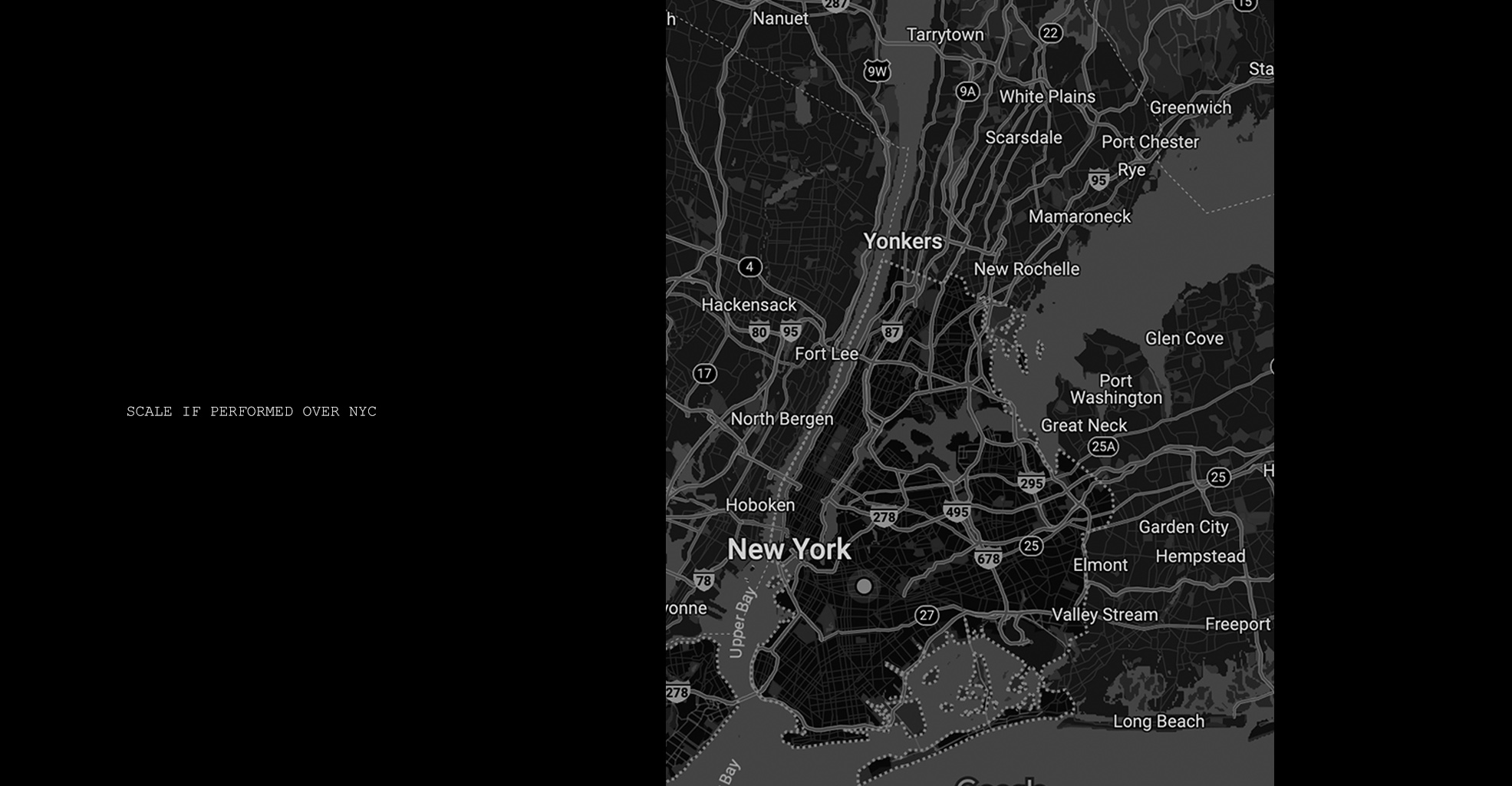
For over eight decades, the government’s silence and the lack of a comprehensive plan to address radioactive contamination have proven deadly to the Falls. While Los Alamos National Laboratory stands as a symbol of the Manhattan Project, the atomic bomb was a product of a monumental “collective effort.” Over 600 other sites across the nation played a vital role in its development, a fact often overshadowed by the focus on Los Alamos. In 46 of these sites, the level of radiation left behind was so alarmingly high that in the early 1970s, the Department of Energy (DOE)—previously known as the Atomic Energy Commission (AEC) and formerly the Manhattan Engineer District (MED)—embarked on a “housekeeping” initiative named FUSRAP for Formerly Utilized Sites Remedial Action Program.
Unbeknown to many, even to the citizens of Niagara Falls, this area is home to most of these radioactive factories and wastelands needing “remediation.” To emphasize the level of contamination in Niagara Falls, it’s crucial to highlight the distribution of these sites: Eight are in Tennessee, two in Washington, ten in New Mexico, four in Nevada, and an additional thirty-six in New York State. Thirteen of these radioactive sites are concentrated in the Niagara Frontier region (Niagara County and parts of Erie County) and within a 20-mile radius of the city of Niagara Falls.
This makes it the most densely concentrated
cluster within a specific geographical area.
The government’s response to this environmental challenge remains a patchwork solution, with some sites under the Department of Energy’s (DOE) purview and others languishing under the underfunded Environmental Protection Agency (EPA).
The term “remedial” used for government cleanup programs can be misleading. It doesn’t guarantee a site is completely safe for public use. Programs like FUSRAP focus on containing and monitoring radiation, adhering to the same strict guidelines as the Superfund program. Ironically, the birthplace of this very initiative is Niagara Falls. In 1978, a small working-class neighborhood called “Love Canal” became the epicenter of a massive environmental disaster. Its name originates from an adjacent man-made water channel that, since the early 1940s, had been used as a dumping ground for toxic waste by local industries, most notably Hooker Co., a leading chemical manufacturer who owned the canal.
The city of Niagara Falls, fully aware yet in denial of the contamination surrounding Love Canal, purchased the land from Hooker in 1953 to accommodate its rapidly growing baby boomer population. The deed document explicitly explained that Love Canal is a toxic landfill and that nothing should be built on top of it. The deed contained a seventeen-line disclaimer absolving the company of all legal liabilities in the event of future lawsuits. Regardless of these warnings, the city built low-income housing and an elementary school. The long-term exposure to the chemicals buried in Love Canal led to severe health issues such as leukemia, birth defects, and a significant increase in miscarriages. In a specific case, within a single family in Love Canal, two out of four children were born with birth defects; one girl was born deaf with a cleft palate, an extra row of teeth, and mild cognitive impairment, while a boy was born with an eye defect. Lois Gibbs, a primary organizer of the Love Canal Homeowners Association, brought wide public attention to the environmental crisis in the late 1970s. Her actions resulted in the evacuation of over 800 families and pushed Congress to create the Comprehensive Environmental Response, Compensation, and Liability Act, most commonly known as the Superfund.
The environmental disaster at Love Canal catalyzed the creation of key governmental initiatives and sparked activism that laid the groundwork for the modern environmental movement.
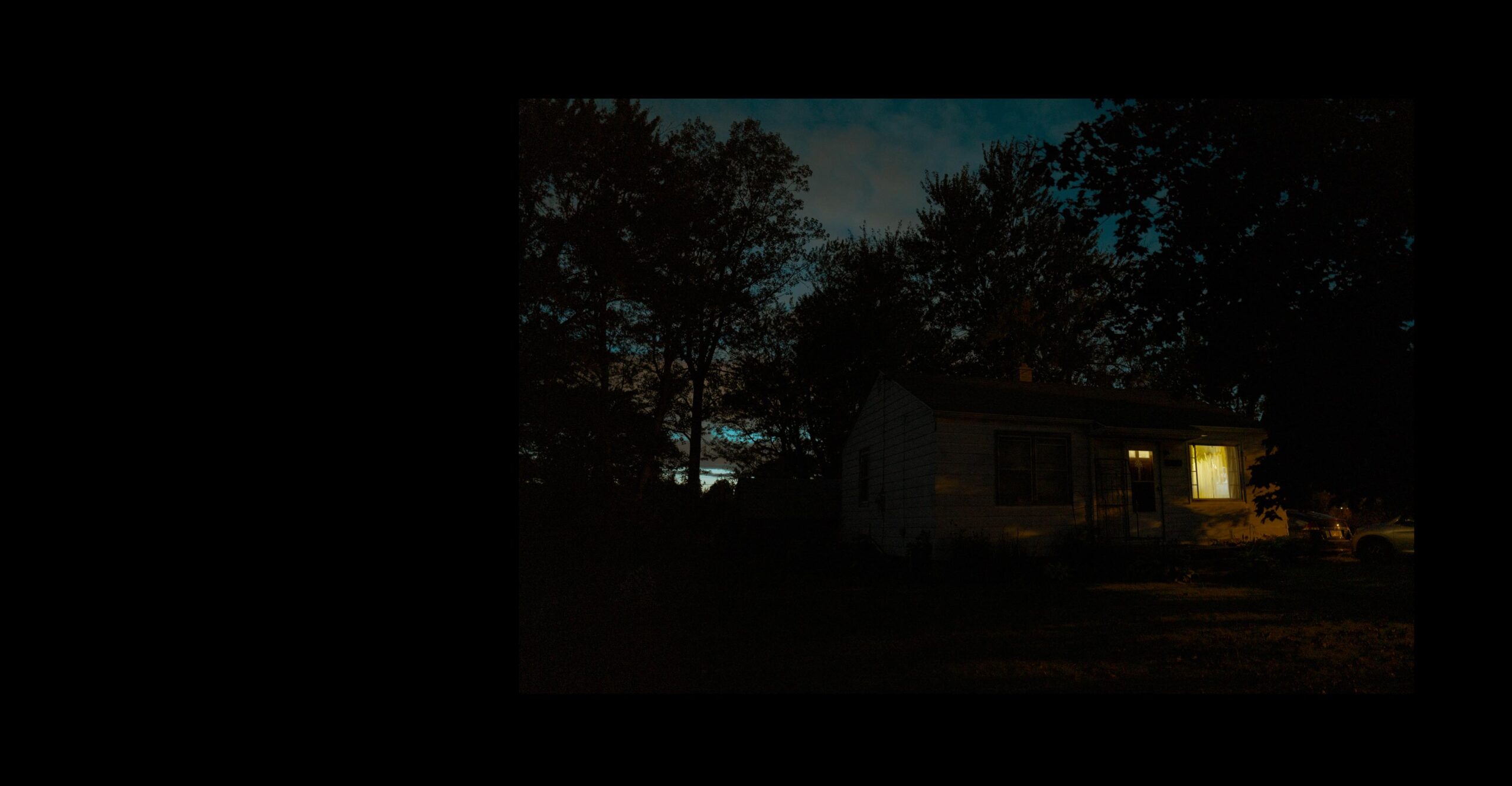
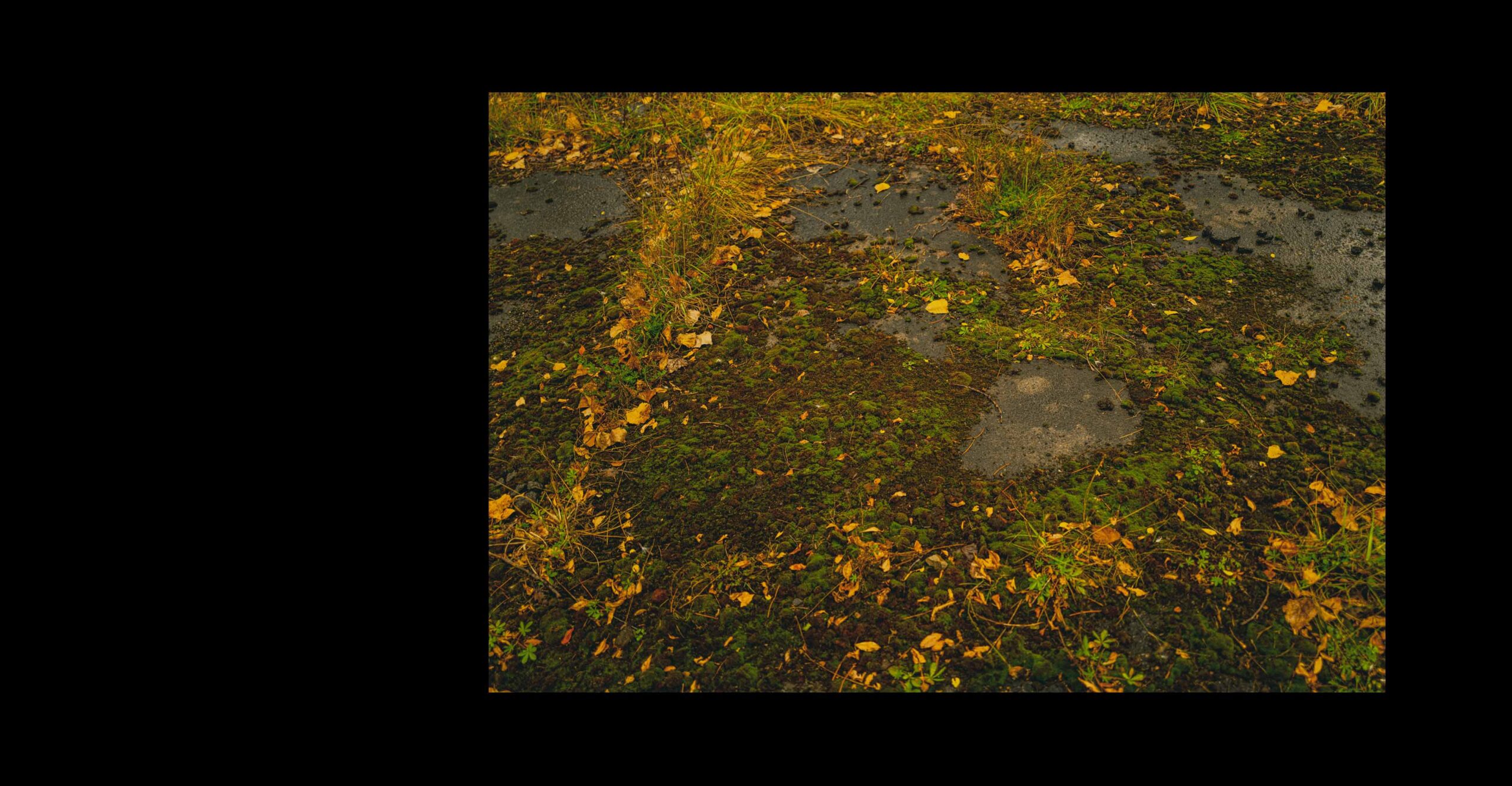
What remains of Love Canal...

Following the Love Canal disaster, the New York State Assembly established a special task force entrusted with the responsibility of investigating resident claims about military personnel dumping chemicals in the old canal. Under sworn testimony, numerous residents of Love Canal provided detailed accounts that corroborated these claims.
During the investigation, Hooker Electrochemical Company openly confessed to using the old canal bed for waste disposal since 1942. Hooker disclosed too that at the time, two of their plants operated under federal contract with the Army and the MED. The task force also uncovered that the Niagara Falls Chemical Warfare Plant, a military facility built during WWII to manufacture chemical weapons like phosphene gas, had also discharged toxic chemicals into the Love Canal. This comprehensive and detailed investigation left no stone unturned, the New York State Assembly Special Task Force released a damning 293-page report titled “The Federal Connection Report.” The investigation revealed a web of connections between the U.S. Army, the Manhattan Engineering District (MED), and Niagara Falls’ chemical and metallurgical companies, spanning the 1940s to the late 1960s. Most alarmingly, this report uncovered the extent of the contamination and the gravity of it, as it was not only confined to the Love Canal area, nor was it only chemical; it was radioactive.
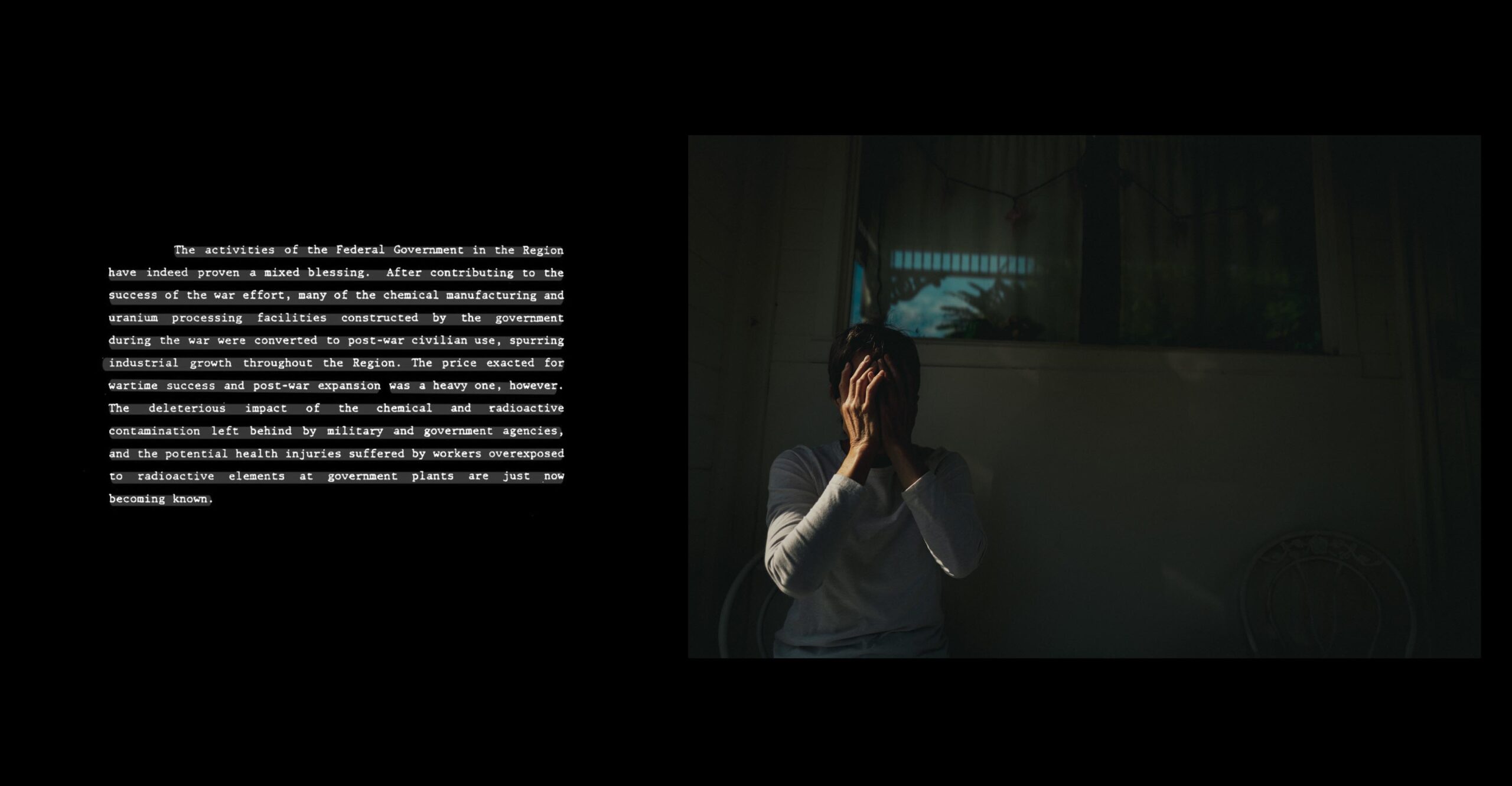
The scope of the inquiry expanded radically as it
became apparent that Love Canal And Federal Involvement
Was Merely The Proverbial Tip Of The Iceberg.
Federal Connection Report, page 20.

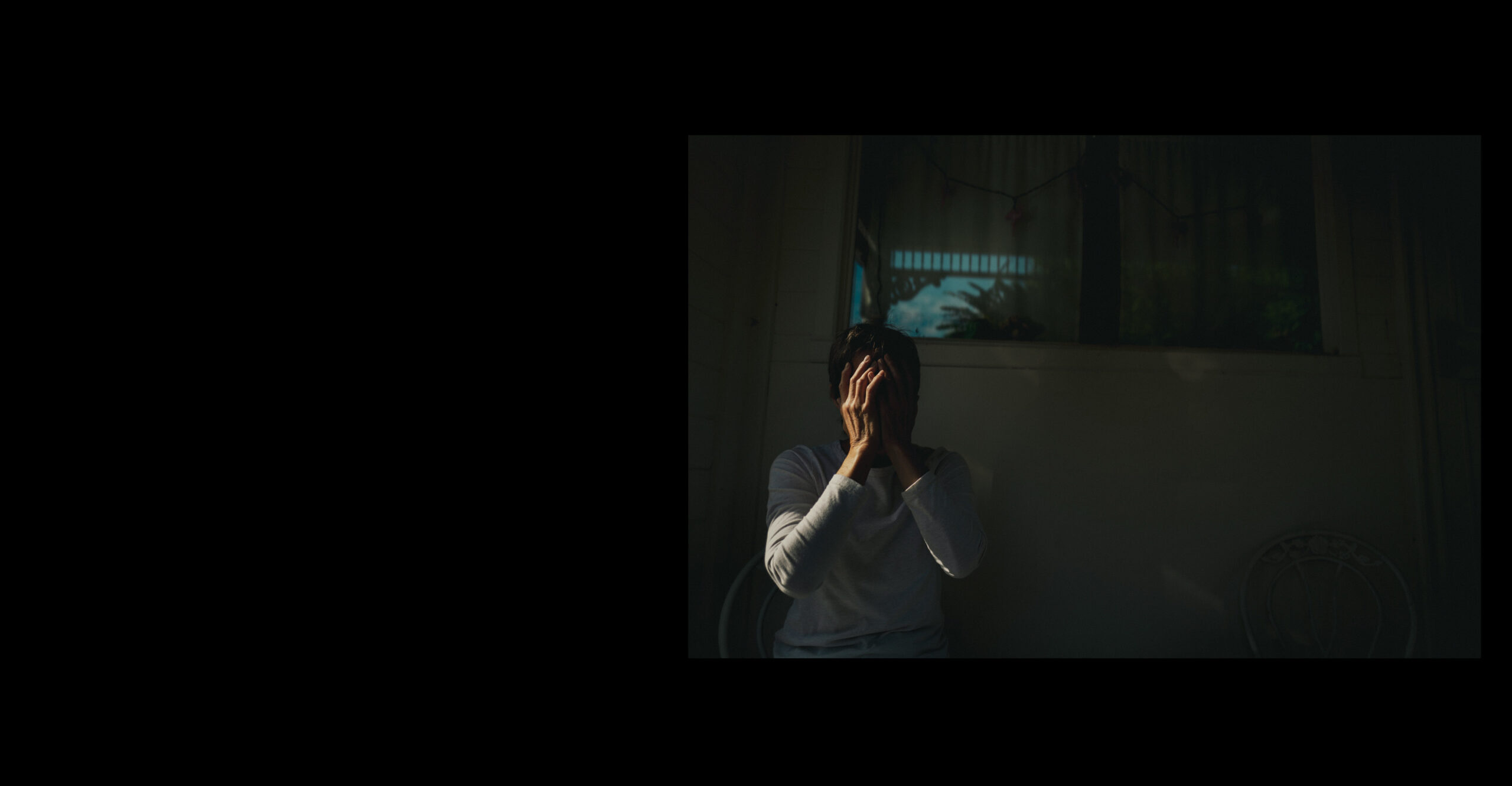
Building on the groundwork made by The Federal Connection report, this investigation incorporated previously unavailable files like National Institute for Occupational Safety and Health (NIOSH) radiation reconstruction reports which estimate worker radiation exposure for a government compensation program called The Energy Employees Occupational Illness Compensation Program Act (EEOICPA) and obscure government documents found online under cryptic names. Over 600 government documents, academic papers, archive footage, and books, contributed to the comprehensiveness of this research. What follows is a continuation of The Federal Connection Report, offering new insights into the extent of radioactive contamination based on these additional materials. To this day, the legacy of radioactive contamination due to these companies’ nuclear involvement, continues to threaten the lives of more than 400,000 residents of the Niagara Frontier.
Today, a different landscape defines the area. Landfills, tall brick chimneys, and abandoned factories stand as silent testaments to this bygone era. The bustling industrial center that once rivaled Silicon Valley in its prime is difficult to imagine. What follows is an account of these factories, their processes, experiments, and radioactive legacy, culpability equally shared with the federal government, the army, and MED. This is the unraveling of a national embarrassment with criminal and deadly consequences.